
Hydration strategies before, during, and after drinking are crucial in mitigating the effects of alcohol-induced night sweats. During your drinking session, try to alternate between alcoholic beverages and water. This not only helps to slow down your alcohol consumption but also helps maintain hydration levels. You might also consider drinks that help replenish electrolytes, but be cautious with sugary sports drinks as they can potentially worsen dehydration.
- Here is some background on each condition to inform a conversation with your healthcare provider.
- Opting for drinks with lower alcohol content may reduce heat production and dehydration.
- Over time, physical tolls include high blood pressure, liver damage, and increased cancer risk.
Sometimes, a person may appear to have alcohol intolerance but react to another ingredient in a drink. Doctors may use allergy tests to determine whether alcohol is the issue. People may not realize that because of this, they are at risk of hypothermia in cold weather. During hot weather, they may begin to experience nausea and dizziness with dehydration in addition to sweating. Alcohol acts as a diuretic, increasing urine production and leading to dehydration. As the body loses fluids, its ability to regulate temperature can become compromised.
Alcohol is metabolized by the liver, but chronic drinking can overwhelm this organ, leading to a buildup of toxins in the body. When alcohol consumption stops, the body accelerates its detoxification processes, which can include increased sweating as a means of expelling harmful substances through the skin. This is similar to how the body uses sweat to release toxins during physical activity or fever. However, in the context of alcohol withdrawal, this process is intensified due to the sudden absence of alcohol and the body’s urgent need to restore balance. When detoxing from alcohol, the body undergoes significant physiological changes as it works to eliminate toxins accumulated during prolonged alcohol use. One of the key mechanisms involved in this process is an increased heart rate, which plays a crucial role in stimulating sweat glands to release toxins through perspiration.
Are Night Sweats a Symptom of Alcohol Withdrawal?
While sweating can help eliminate some toxins from the body, it’s not an effective method for expelling alcohol. Alcohol is primarily metabolized by the liver, which breaks it down into acetaldehyde and then into acetic acid, eventually converting it to carbon dioxide and water. Sweating may release small amounts of alcohol through the skin, but this is negligible compared to the liver’s role. Instead, factors like hydration, rest, and time are key to recovering from alcohol consumption.
Does alcohol-induced sweating contribute to hangover symptoms?
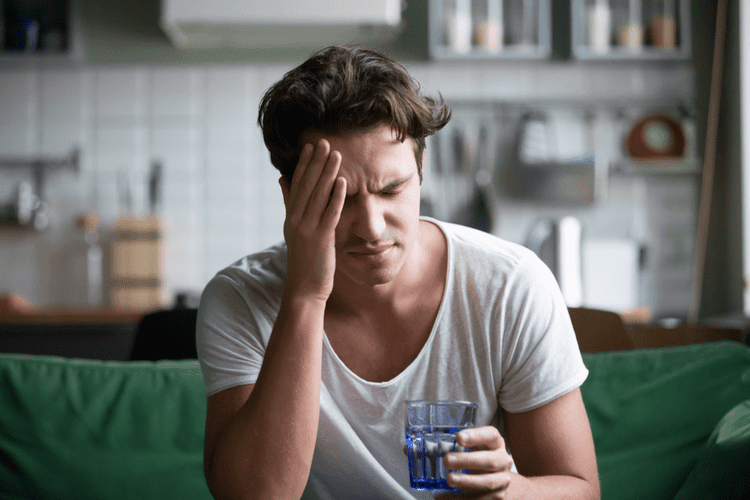
If you’re experiencing regular alcohol night sweats and are concerned about your drinking habits, Porch Light Health is here to help. Our compassionate team offers comprehensive addiction treatment services across Colorado and New Mexico, including medication-assisted treatment with naltrexone. The most effective way to prevent alcohol-induced night sweats is to reduce or eliminate alcohol consumption. The Centers for Disease Control and Prevention (CDC) provides guidelines on what constitutes moderate drinking and recommends limits that can help reduce alcohol-related health risks. As alcohol leaves your system, your body works to correct this temperature imbalance, often resulting in excessive sweating as part of this regulatory process. If you’re someone who drinks regularly and then suddenly stops, you might also experience night sweats as part of withdrawal.
How Can I Find Relief from Night Sweats?
However, there’s also a less openly discussed problem that countless people face. It’s actually extremely common for people to deal with extreme sweating after they consume alcohol. This might seem like a minor annoyance, but it can actually be a sign of several issues.
Ways to Cope With Alcohol Withdrawal & Treatment
- You can meet with a specialized physician, such as myself, to learn more about treatment options, including medication to stop drinking and specialized alcohol therapy.
- A small amount of alcohol is broken down in your stomach lining, but your liver metabolizes most of it.
- If you believe your alcohol consumption is a problem, discuss this with your doctor.
- All the effects of alcohol that cause you to sweat tend to get more pronounced as you consume more alcohol.
- This ramped-up metabolic process generates heat, contributing to an overall increase in body temperature.
Melody is here to help as you adjust to a life with less (or no) alcohol. You’ll meet millions of fellow Reframers in our 24/7 Forum chat and daily Zoom check-in meetings. Receive encouragement from people worldwide who know exactly what you’re going through! You’ll also have the opportunity to connect with our licensed Reframe coaches for more personalized guidance. The Reframe app equips you with the knowledge and skills you need to not only survive drinking less, but to thrive while you navigate the journey.
Scottsdale Detox
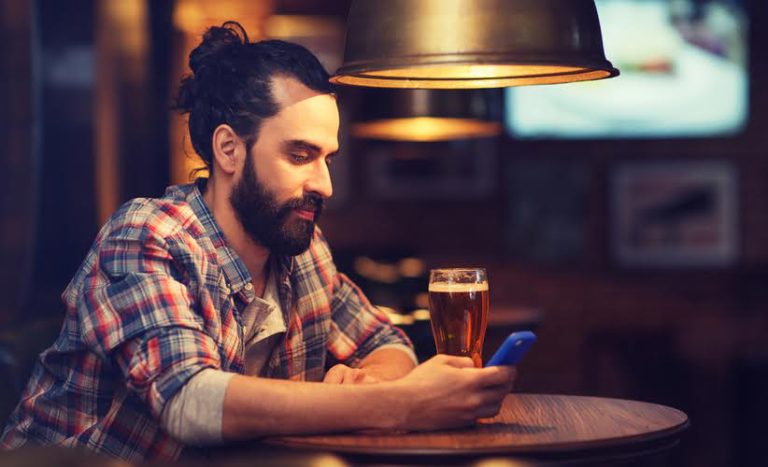
The metabolic effort required to process why does alcohol make you warm and eliminate this compound generates a significant amount of excess heat within the body. If night sweats intensify when you try to reduce your alcohol consumption, this may indicate physical dependence. Your body has adapted to regular alcohol intake, and reducing consumption triggers withdrawal symptoms, including sweating. Too much alcohol intake can increase the body temperature, leading to vasodilation and sweating, which are the body’s means of maintaining optimal temperature. When the core temperature rises, the blood vessels enlarge to allow more blood flow to the surface of the body, thus releasing heat.
- Detoxing from alcohol often triggers sweating as the body works to eliminate toxins and restore balance.
- Your body recognizes it as a toxin, so it tries to get rid of the substance as quickly as possible through perspiration.
- However, in the context of alcohol withdrawal, this process is intensified due to the sudden absence of alcohol and the body’s urgent need to restore balance.
- Night sweats can also be a symptom of hyperhidrosis, panic disorder, fever, hyperthyroidism, medication side effects, and other health problems.
A blood test measuring liver enzymes (AST, ALT, GGT) can assess damage, while imaging or a biopsy may be necessary for advanced cases. Early detection is crucial; untreated liver disease can progress to cirrhosis, a life-threatening condition. For those in their 20s and 30s, cutting back to within recommended limits (up to 2 drinks per day for men, 1 for women) can restore liver function over time.
You should seek medical attention immediately if night sweats are occurring after abstaining from alcohol and in the presence of any of the other alcohol withdrawal symptoms. Alcohol impacts our entire body, and causes many side effects that aren’t often spoken about. If you frequently experience day or nighttime sweating after drinking, it could be an important sign that you’ve developed an unhealthy relationship with alcohol. Learning more about this alcohol-related symptom can help you understand why night sweats after alcohol can occur, and how to find relief.
Following this, a second enzyme, Aldehyde Dehydrogenase (ALDH), rapidly processes acetaldehyde into harmless acetate, which the body then breaks down into carbon dioxide and water. The rate at which these enzymes process alcohol is finite because the ADH enzyme quickly heroin addiction becomes saturated. This saturation means the liver cannot simply ramp up its processing speed, regardless of external factors like physical activity.

In fact, excessive sweating without proper hydration can worsen dehydration, potentially intensifying hangover https://ecosoberhouse.com/ symptoms. Sweating is not a cure for hangovers; it’s far more effective to hydrate, rest, and allow your liver to process the alcohol naturally. In summary, understanding metabolism and alcohol breakdown clarifies why sweating does not effectively remove alcohol from the body. The liver’s enzymatic processes are the primary mechanism for detoxification, and external factors like sweating have minimal influence.